This route is the big classic: the megacity, Mt. Fuji’s silhouette, Kyoto and its temples, the deer of Nara, then Osaka and Himeji’s white castle; then back to Tokyo for your flight home (often the same airport, cheaper on a round trip). The places listed are the ones you can find in Ryokô Planner: the same stage sequence can be loaded in the app, then tweaked (lengths, order, favorites) without rebuilding everything from scratch.
How to read this article?
No minute-by-minute schedule: day blocks and a sense of what you can experience on the ground.
In the app: the same itinerary is available in Ryokô Planner.
Overview: take your time at each stop
The goal is for each region to leave a clear memory, rather than chaining long hauls. This route focuses the Golden Route on Tokyo, Fuji, Kyoto, Nara, and Osaka, with enough days in Kyoto not to rush the city.
| Block | Area | Length |
|---|---|---|
| Days 1-4 | Tokyo | 4 days |
| Days 5-6 | Lake Kawaguchiko (Mt. Fuji) | 2 days |
| Days 7-11 | Kyoto (+ Nara for one day) | 5 days |
| Days 12-14 | Osaka (+ Himeji for one day) | 3 days |
The order follows a loop: you move gradually west from Tokyo, then return to the capital for your flight, without unnecessary zigzags.
Days 1 to 4 - Tokyo: a city that feels like a film speeding up
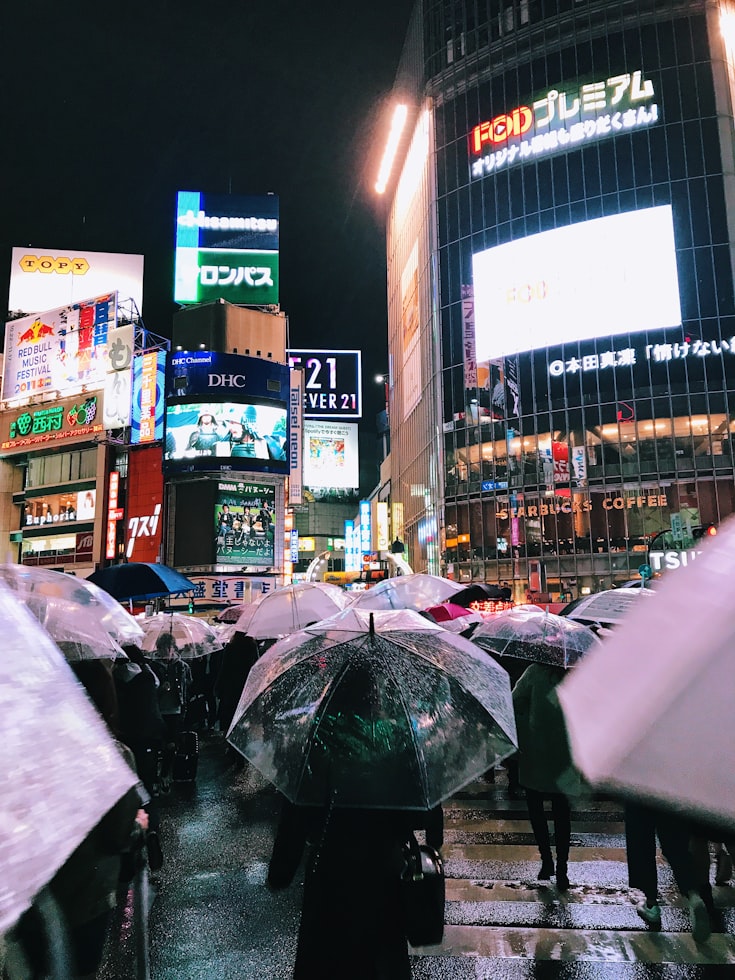
Caption: Night walk in the heart of Tokyo. Photo credit: https://unsplash.com/@fredrivett
Tokyo is not one single vibe: it is a stack of neighborhoods that change pace within a few subway stops. You might start with the wooded calm of Meiji Jingu, then get pulled into Omotesando and Takeshita-dori: shop windows, fashion, cheerful crowds. A little farther, Shibuya Crossing and the Hachiko statue deliver the scene everyone wants at least once: neon, noise, the feeling of standing at the center of the world.
For contrast, Sensō-ji in Asakusa throws you centuries back: incense, shop-lined paths, red roofs. In the evening, Shinjuku Gyoen or a stroll through Golden-Gai and Kabukicho: lights, tiny bars, a city that never sleeps. Culture lovers can linger at the Tokyo National Museum and wander the cherry trees of Ueno Park, then drop down to Ameyoko, the market under the tracks, loud and colorful, perfect for snacks between trains.
Ginza and Akihabara show two faces: high-end windows and the manga / games / electronics rabbit hole. Chidorigafuchi or teamLab add either moat reflections and quiet poetry or full digital immersion. Plan at least one calmer day (park, river, Skytree at dusk) so you are not exhausted before Fuji.
Days 5 and 6 - Lake Kawaguchiko: when the landscape turns postcard-perfect
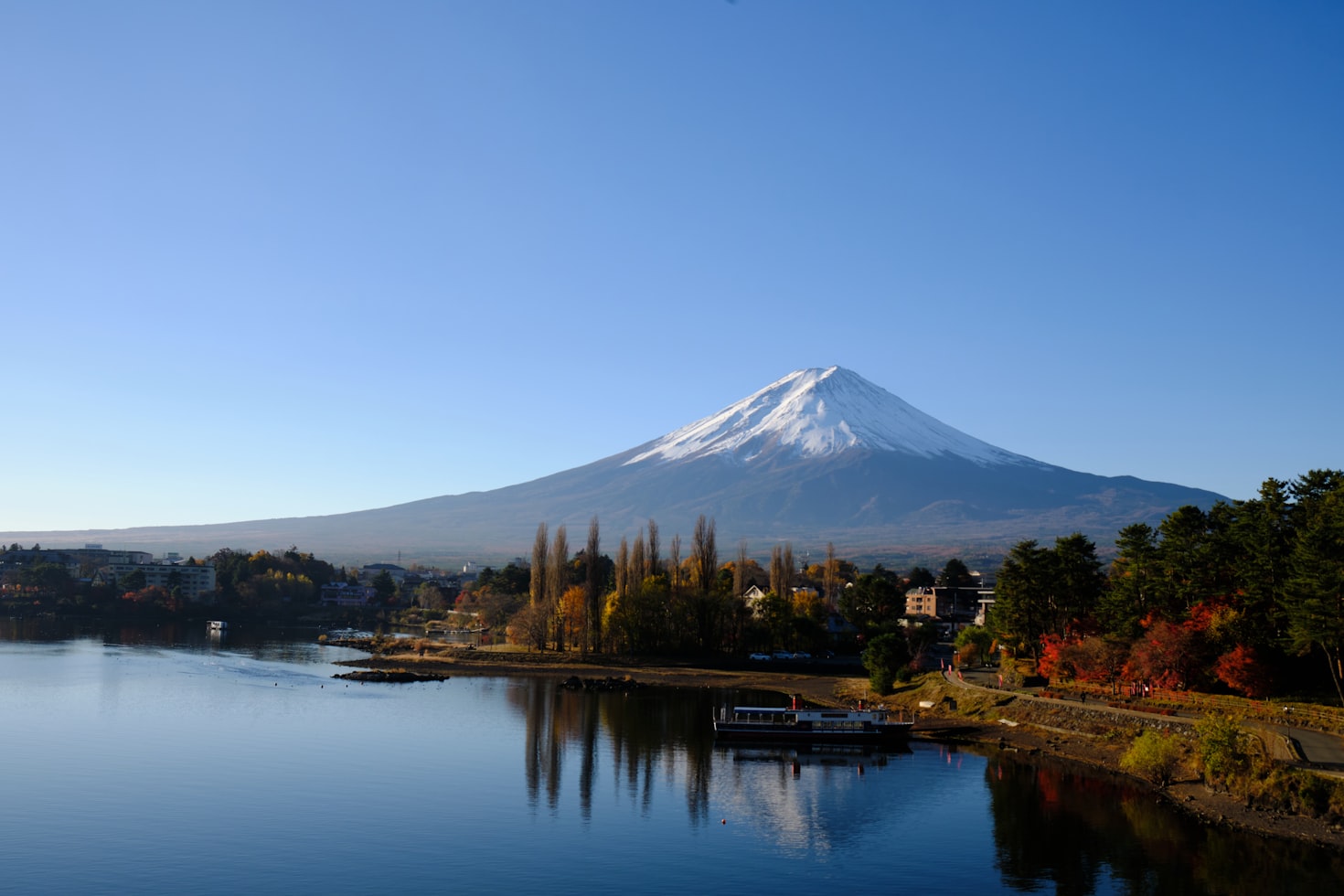
Caption: Get ready for stunning views of Mt. Fuji. Photo credit: https://unsplash.com/@jtqx
Leaving Tokyo for the shores of Lake Kawaguchi, the noise drops. The point here is not to tick every box: it is to see Fuji in different light, from misty morning to clear afternoon, sometimes full silhouette, sometimes hidden in cloud. Arakurayama Sengen Park and the Chureito pagoda deliver the magazine-cover shot; the climb is worth the panorama.
The Mt. Fuji Panoramic Ropeway and Lake Kawaguchi shores invite aimless walks. Oishi Park and lakeside gardens remind you that travel here is also time to look. The quieter Fujiomuro Sengen Shrine extends that sense of a sacred mountain. If you like craft or quirky museums, Kubota Itchiku (kimono) or Music Forest add culture without breaking the slow rhythm of the stop.
Days 7 to 11 - Kyoto and Nara: wood, gold, bamboo, and deer
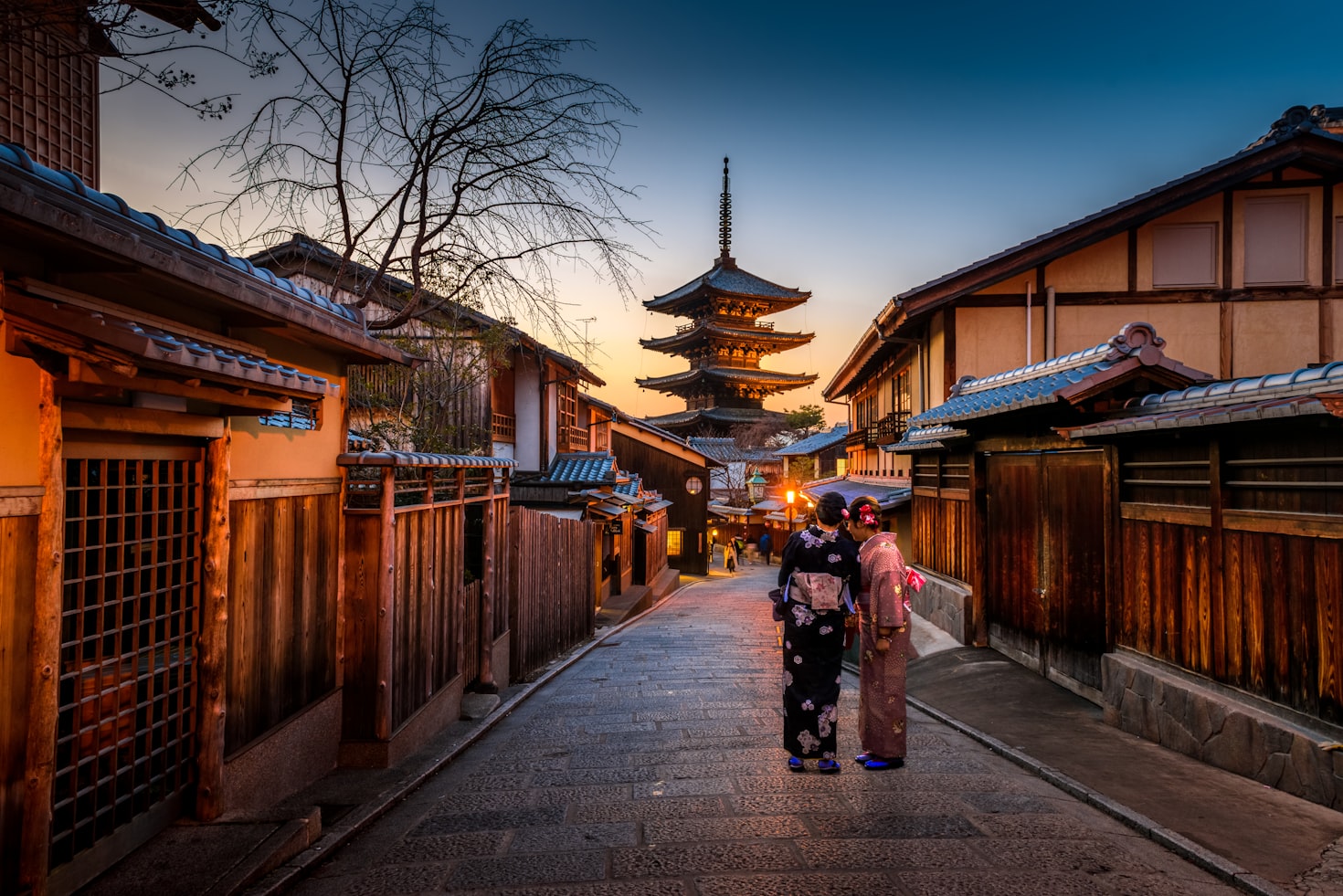
Caption: Timeless moments in Kyoto. Photo credit: https://unsplash.com/@boontohhgraphy
Kyoto asks you to slow down. Fushimi Inari at dawn: thousands of vermilion torii, climbing through the forest, pockets of silence despite the crowds. Kiyomizu-dera overlooks the city: wood, incense, wide views. Gion, evening or early morning: the sound of geta on paving stones, machiya facades, the Shirakawa river.
Arashiyama and its bamboo forest: filtered light, rustling stalks; you walk for the sheer pleasure of being among the green. Kinkaku-ji, Nijō Castle, Nanzen-ji, Kennin-ji: each place has its own texture (gold, castle, Zen, paintings). Nishiki Market wakes the senses before Sanjūsangendō and its thousand statues demand quiet. The Imperial Palace or Yasaka round out a city you never really “finish,” hence five days so you are not sprinting through it.
Nara (one day from Kyoto): Nara Park deer walk you almost to Tōdai-ji and its Great Buddha, heavy with wood and golden dust. Kasuga Taisha and its lanterns, Isui-en or Yoshikien for intimate gardens, Mount Wakakusa if you want the city at your feet.
Days 12 to 14 - Osaka and Himeji: eat, laugh, then the white castle
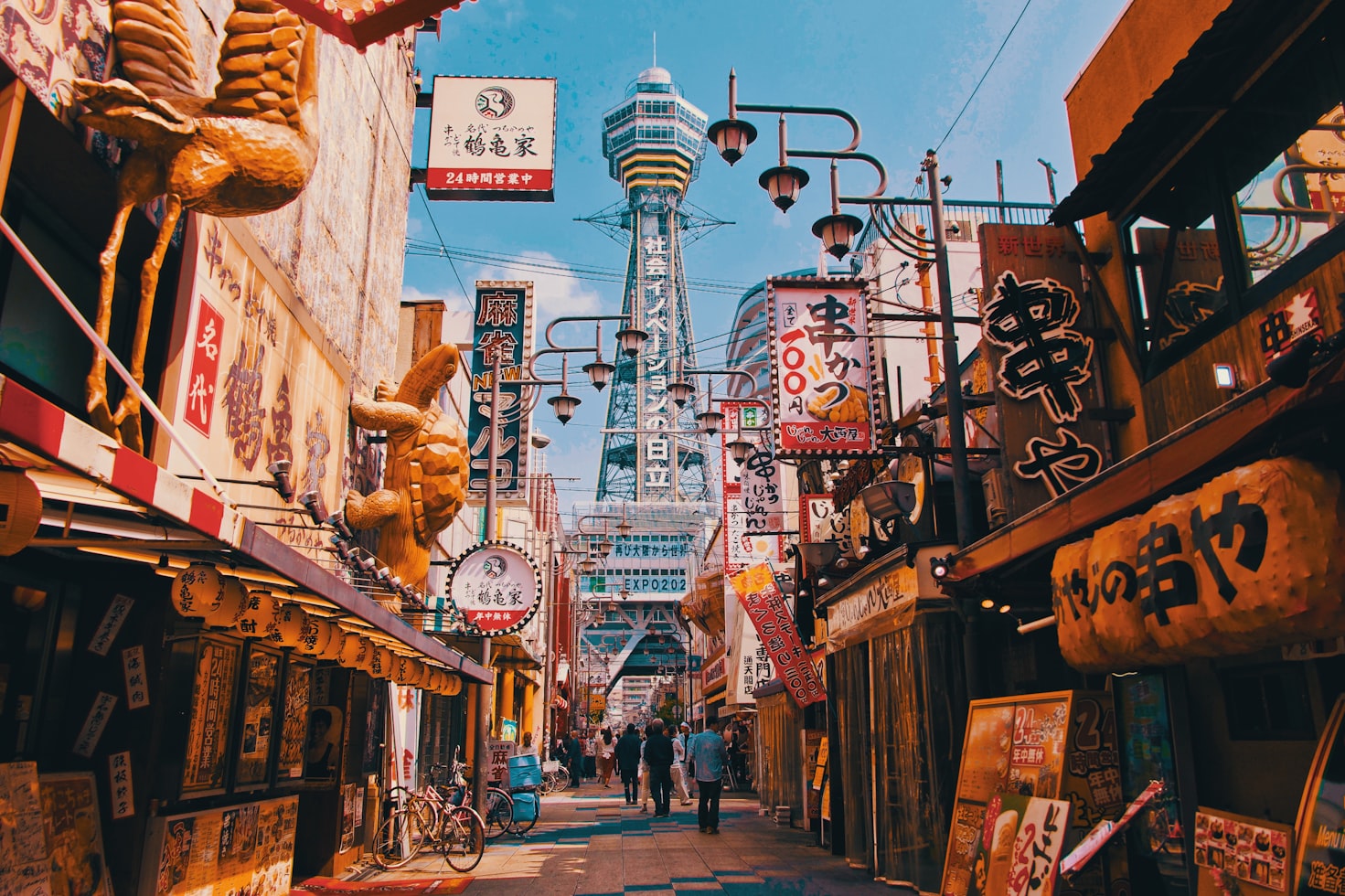
Caption: Stroll the food-filled streets of the Kansai capital. Photo credit: https://unsplash.com/@nomadicjulien
Osaka is the contrast with Kyoto: louder, more direct, often greedier. Dotonbori and its neon, the Glico sign, the smell of okonomiyaki and skewers: you go for the show as much as the plate. Kuromon Market continues the theme: color, vendors’ voices, eating standing up.
Osaka Castle rises over a park where the city can breathe; Sumiyoshi Taisha or Shitennō-ji remind you that you are still in shrine country, but with a different tone. Tsutenkaku, Umeda Sky Building, American Village: three ways to see Osaka from above or from the street, between Showa nostalgia and modern storefronts. Hozenji Yokocho, narrow and damp, is ideal to end an evening: lantern light, wet stone, low conversation.
Himeji (one day from Osaka): Himeji Castle reveals itself from afar first, white, airy, almost too perfect. Koko-en gardens at the foot of the walls extend the visit. Then, if your legs still have it, Mount Shōsha and Engyōji: ropeway, forest paths, wooden halls that doubled as film sets, for an ending that is both spectacular and calm.
The last hours can go to a Shinkansen back to Tokyo and a night near the airport or downtown, depending on your flight: time for one last ramen, a midnight konbini run, or a neighborhood you missed at the start.
Adapt the itinerary in Ryokô Planner
- The places in this article match what is offered in the app: you start from a geographically coherent base.
- You can extend Tokyo or Kyoto, shorten Osaka, or move the Nara day. The app lets you try those variants without rewriting everything.
Takeaway
This 15-day route favors immersion: enough time in each region for the trip to leave sharp images, not just a checklist of sights. The feeling builds on the ground, and in the itinerary you adjust yourself in the app, so you can start traveling before you even leave.
Use Ryokô Planner (free, iOS and Android) to open this itinerary and make it yours.